Water damage repair Salida, CO
#1 Water Damage RepairExperts in Salida
Fast, straightforward water damage repair for burst pipes, snowmelt flooding, and storm damage, serving homes, historic downtown buildings, and vacation properties throughout Salida.
Emergency call-outs available. No forms, no waiting on a callback.
Fast local response
We get a crew moving quickly once you call.
Every property type
Homes, historic storefronts, and vacation rentals.
We work with insurance
Documentation and claims support included.
What we do
Water damage repair & restoration services
From a burst pipe to a slow leak nobody noticed, here's what we handle.
Water cleanup & extraction
Fast removal and drying to stop damage spreading into floors, walls, and belongings. We check moisture behind baseboards and under flooring, not just what's visible on the surface.
Burst & frozen pipe damage
Repair and dry-out after a pipe splits from winter freezing or sudden pressure changes. This often affects walls and cabinetry around the burst point, which we assess alongside the immediate leak.
Structural drying & dehumidification
Moisture pulled from framing, subfloors, and masonry so it doesn't resurface as rot or mold later. We use moisture meters to confirm materials are genuinely dry, not just dry on the surface, before calling a job complete.
Basement & crawl space removal
Groundwater and snowmelt intrusion cleared, dried, and checked for lasting moisture. Seepage through foundation cracks or window wells is common in older Salida homes and often goes unnoticed until flooring or drywall is affected.
Sewage backup cleanup
Safe removal and sanitizing after a backup, including septic-related situations. This includes properties on well and septic systems, common outside Salida's downtown core.
Mold remediation
Containment and removal once moisture has sat long enough for mold to take hold. We identify and address the underlying moisture source, not just the visible mold, to reduce the chance of it returning.
Storm & roof leak damage
Interior drying and repair after wind, hail, or a failed roof lets water in. Ceiling and attic damage from a slow roof leak often looks minor at first and worsens with each additional storm.
Content & belongings restoration
Furniture, flooring, and personal items assessed and salvaged where possible, not written off by default. We document affected items as we go, which is useful if you're filing a claim for damaged belongings.
Salida risk factors
Why Salida properties are at risk
Salida's geography and history create a few specific, real risk factors worth knowing about.
Spring snowmelt & the Arkansas River
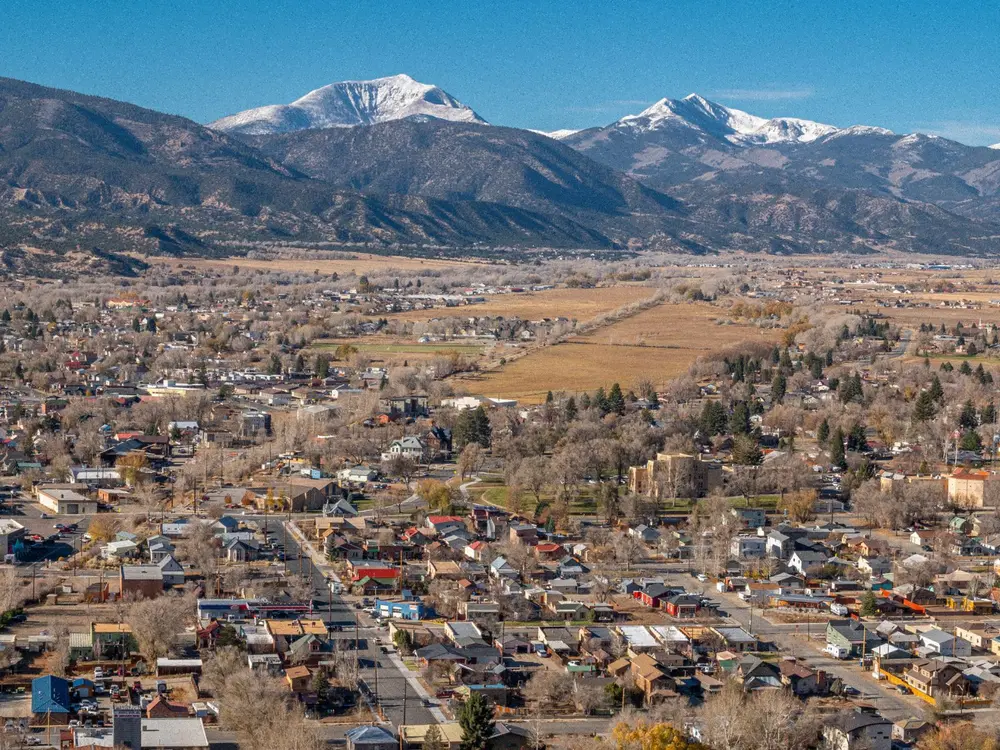
The Arkansas River runs through town, fed by snowpack from the surrounding Collegiate Peaks. As that snow melts each spring, typically peaking in May and June, the river can rise quickly, a different pattern to the flash-flooding seen further downstream. Even properties set back from the riverbank can see a rising water table during peak runoff, showing up as dampness in basements and crawl spaces well before any visible flooding appears.
Historic downtown brick construction
After fires in 1888 and 1892, Salida rebuilt its downtown in brick rather than wood. Those century-old masonry buildings need careful, specific handling when moisture gets in: brick and old mortar absorb water differently than modern framing, and can hold dampness for weeks if not properly dried. Many of these buildings also have shallow, older foundations, making basement-level water intrusion a recurring concern for downtown business owners.
High-elevation freeze-thaw cycles
At over 7,000 feet, temperature swings between freezing nights and mild days, common from October through April, put real stress on pipes and plumbing, a separate risk to river flooding. Pipes running through crawl spaces, garages, and exterior walls are most exposed, and a frozen pipe that cracks often isn't discovered until it thaws and starts leaking, sometimes days later.
Vacant vacation rentals & second homes
Salida has a large share of vacation rentals and seasonal homes, particularly around the ski and rafting seasons. A leak or frozen pipe in an unattended property can go unnoticed for weeks between bookings or owner visits, far longer than in a home someone's living in. That delay often means more materials affected by the time anyone finds it, and can complicate an insurance claim if the vacancy period isn't clearly documented.
Preventing frozen pipes in Salida homes
At elevation, even a mild-looking winter day can drop well below freezing overnight, and pipes running through unheated crawl spaces, garages, or exterior walls are most at risk. Disconnecting garden hoses and shutting off exterior spigots before the first hard freeze prevents a common and easily avoided source of bursts.
Keeping a slow drip running on affected faucets during cold snaps, insulating exposed pipes, and keeping interior temperatures at 55°F or above, even when a property sits empty, can prevent a burst. For vacation rentals and second homes, a smart water sensor or a periodic check-in during winter months is often the difference between a minor precaution and a major claim.
Insurance
Working with your insurance
What to document
We photograph and document the damage as we work: moisture readings, affected materials, and the drying timeline, which helps support your claim whichever insurer you're with. Keeping your own photos and a written timeline of when you noticed the damage can also strengthen a claim.
Flood cover vs. standard policy
Standard homeowners insurance often doesn't cover river or groundwater flooding the way it covers a sudden burst pipe: flood coverage is typically a separate policy or endorsement. It's worth checking your specific policy wording, since coverage varies by insurer; we can help you understand what you're looking at and what to ask your agent.
Property types
Water Damage Restoration for Residential, Rental & Commercial Property
Residential
Whether it's a burst pipe on a cold January morning or slow water intrusion after spring runoff, we treat your home the same way we'd want ours treated.
Clear communication, no guesswork on what's actually wrong, and drying done properly rather than rushed.
Vacation rental & second home
If you manage a property remotely, a small leak can turn into a big problem before anyone notices.
We work directly with property managers and out-of-town owners, documenting everything so you're not walking in blind, and coordinating around booking calendars where we can.
Commercial
From downtown retail to offices and light industrial space, a water event during business hours needs a fast, coordinated response to limit disruption to trade.
Some of Salida's commercial buildings are century-old brick storefronts with their own moisture considerations, but the same applies to newer commercial spaces too - we work around your hours where possible either way.
Coverage
Service area
Based in Salida, covering Chaffee County.
Process
What happens when you call
Tell us what's happening. We'll ask a few quick questions to understand the situation.
We look at the source and extent of the water, not just the visible damage.
Water's extracted and drying equipment goes in to stop the damage spreading.
Affected areas are repaired and dried through, with documentation for your records.
Questions
Frequently asked questions
The first steps after finding water damage are to shut off the water source if it's safe to do so, and avoid electrical outlets or fixtures near standing water. Move valuables away from the affected area if you can, take a few photos, then call us to get someone assessing the situation.
The cost of water damage repair depends on the extent of the damage, the materials affected, and how long water sat before being addressed. As a rough guide, minor drying typically starts from a few hundred dollars, rising for structural repairs. We'll give you a clearer picture after assessing the property.
Yes, we work with homeowners insurance. We document the damage as we work, which helps support your claim regardless of carrier. It's worth checking whether your specific policy covers flood-related water damage, since that's often handled separately to standard coverage.
Yes, we can still help with water damage in a vacation rental or second home that was empty when it happened. This is common in Salida given how many properties are vacation rentals or seasonal homes, and we work directly with property managers or owners who aren't on-site, documenting everything clearly for insurance and for your own records.
Mold can begin growing within 24-48 hours after water damage in damp conditions, which is why fast extraction and drying matter. The longer moisture sits, particularly in a vacant property, the more likely mold becomes.
Signs of hidden water damage include discoloration or bubbling on walls and ceilings, a musty smell, warped or soft flooring, and peeling paint or wallpaper. In crawl spaces and basements, check for damp insulation or a white, chalky residue on masonry. If you notice any of these, it's worth having the source checked before it turns into a larger repair.
Pipes burst in Salida's winter climate because temperatures at this elevation can swing well below freezing overnight even when days are mild. Water left in exposed or poorly insulated pipes can freeze, expand, and split the pipe. The damage usually shows up once it thaws.
Water damage is generally classified into three categories:
- Clean water comes from a source like a supply line and carries the lowest contamination risk.
- Gray water comes from appliances or fixtures and carries some contaminants.
- Black water (sewage or floodwater) is the most hazardous and needs different handling and protective procedures.
Yes, Salida is at risk of flooding from the Arkansas River, which runs directly through town. Spring snowmelt from the surrounding Collegiate Peaks can raise water levels quickly, a different pattern to the summer flash-flooding seen in lower-elevation towns further downstream.
Yes, we repair water damage in Salida's historic downtown buildings. The downtown was rebuilt in brick after fires in 1888 and 1892, and many of those century-old masonry buildings are still in use today. Older brick construction holds moisture differently to modern framing, so it needs a more careful drying approach.
Water damage doesn't wait, and neither should you
Call now to talk through what's happening and get help on the way.
Call now: (719) 826-8767